Is red light therapy good for knee pain
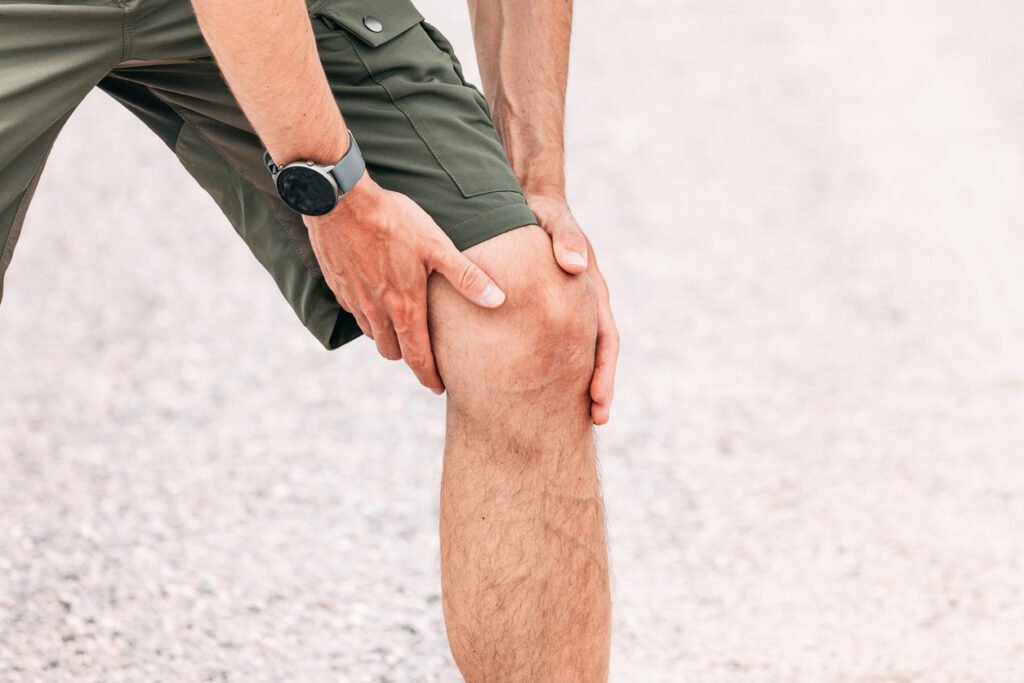
Is red light good for knee pain —
or is it just another thing that sounds promising when your knee won’t settle?
A lot of people ask me this.
Usually after running.
Sometimes after years of wear and tear.
Often after inflammation that keeps coming back no matter how careful they are.
If that sounds familiar, you’re not alone.
I’ve tested red light therapy myself.
I’ve spent time with the research.
And I’ve paid close attention to what actually changes — and what doesn’t.
Here’s the part most people don’t realise yet.
There’s one small expectation mistake that makes people think red light “doesn’t work”.
I’ll explain what that is shortly.
First, let’s get clear on what’s really happening.
“Red and near-infrared light therapy supports cellular energy production and has been shown to reduce inflammatory processes in joint tissue, creating a biological environment that supports repair rather than simply masking pain,” as explained by Dr Michael R Hamblin of Harvard Medical School.
What’s really happening inside a painful knee
When your knee hurts, it’s rarely random.
Something underneath is irritated.
Inflammation.
Restricted circulation.
Joint tissue under ongoing stress.
Pain is the signal.
It’s your body asking for support.
Red light therapy works at a cellular level.
Once you understand that,
the rest of this starts to make sense.
Red light therapy for knee inflammation
Red light therapy for knee inflammation focuses on calming the root cause, not just dulling discomfort.
When inflammation lingers, healing slows.
The tissue stays stuck.
Red light has been tested in labs and clinical settings for its ability to reduce inflammatory markers and improve circulation.
That combination matters.
Better circulation means more oxygen.
More oxygen supports cellular repair.
That’s the environment your knee needs.
Red light therapy for knee joint pain
Red light therapy for knee joint pain works differently from painkillers.
It doesn’t block pain signals.
It supports how the joint functions over time.
That’s why I trust it as a long-term tool.
We’re not chasing instant relief here.
We’re supporting recovery.
For Glow Seekers who want steady progress, that distinction is important.
Red light therapy for joint and muscle pain
Red light therapy for joint and muscle pain matters because knee pain rarely exists on its own.
Tight quads.
Overworked calves.
Hips compensating without you noticing.
I see this pattern again and again.
Here’s what most people miss.
When surrounding muscles stay tight, the knee never fully settles.
We’ll come back to why that matters in a moment.
Minnie says…
(founder of GlowTherapyLab)
When I was first diagnosed with osteoarthritis, the pain was so intense it dominated my thoughts. I couldn’t walk down the street without limping, and I started to panic that this level of pain was my new normal.
The medications offered didn’t sit right with me — cardiovascular risks, stomach ulcers, even addiction with the strongest options. I knew I had to find something that helped my body rather than creating a second problem.
Choosing red light therapy changed everything. My pain didn’t magically disappear, but the intensity dropped to around 20% of what it was — and that made life feel possible again.
I can now go half a day without even noticing my knee, and it’s still improving. From feeling old overnight to feeling like myself again, the shift has been extraordinary.
It’s been one of the best investments I’ve ever made in my health — not just for pain, but for my overall quality of life.
Does red light therapy help bursitis
Does red light therapy help bursitis?
In many cases, yes.
Bursitis involves inflammation in small fluid-filled sacs that cushion the joint.
Because red light has measurable anti-inflammatory effects, it’s often used as supportive therapy.
With consistent use, many people notice less tenderness and improved comfort.
Not overnight.
But gradually.
How long does red light therapy take to work
How long does red light therapy take to work?
This is one of the most important questions to answer honestly.
Most Glow Seekers notice early changes within two to four weeks.
Less stiffness.
Easier movement.
A knee that feels calmer.
More noticeable improvement tends to appear around six to eight weeks.
“Patients often underestimate how long tissue recovery takes. When therapies support healing rather than numbing pain, progress tends to follow a predictable timeline rather than overnight results,” as noted by Dr Kelly Starrett.
That timeline isn’t arbitrary.
And it connects directly to the mistake I mentioned earlier.
Red light therapy for your knee
Red light therapy for your knee works best when you treat it as support, not a shortcut.
It helps calm irritation and support recovery in the tissue around the joint.
Used consistently, it becomes part of how you look after your knee — not something you reach for only when pain flares.
How to treat knee pain after running
How to treat knee pain after running usually starts with reducing stress on the joint.
Rest helps.
Ice can calm flare-ups.
But recovery also means supporting tissue repair.
Red light helps the knee recover between runs, not just cope with pain.
That’s why many runners use it as part of their routine.
How to treat your knee pain
How to treat your knee pain is rarely about one single fix.
In my experience, it’s about stacking small, supportive habits.
Movement.
Strength.
Recovery.
Red light fits into this approach because it’s gentle, non-invasive, and easy to stay consistent with.
And consistency is where real results come from.
Is red light good for knee pain
Yes.
When used properly, red light therapy can support reduced inflammation, improved joint comfort, and long-term knee health.
Here’s the expectation mistake I mentioned earlier.
People expect instant pain relief.
Red light doesn’t work like a painkiller.
It supports tissue change.
And tissue change takes time.
This is also why the muscle support matters.
When surrounding muscles relax and recover, the knee stops compensating.
And that’s why results follow a 2–8 week timeline.
No drugs.
No downtime.
No complicated routines.
Just steady, evidence-based support.
Support your body can trust — and work with.