Does a Red Light Mask Work?
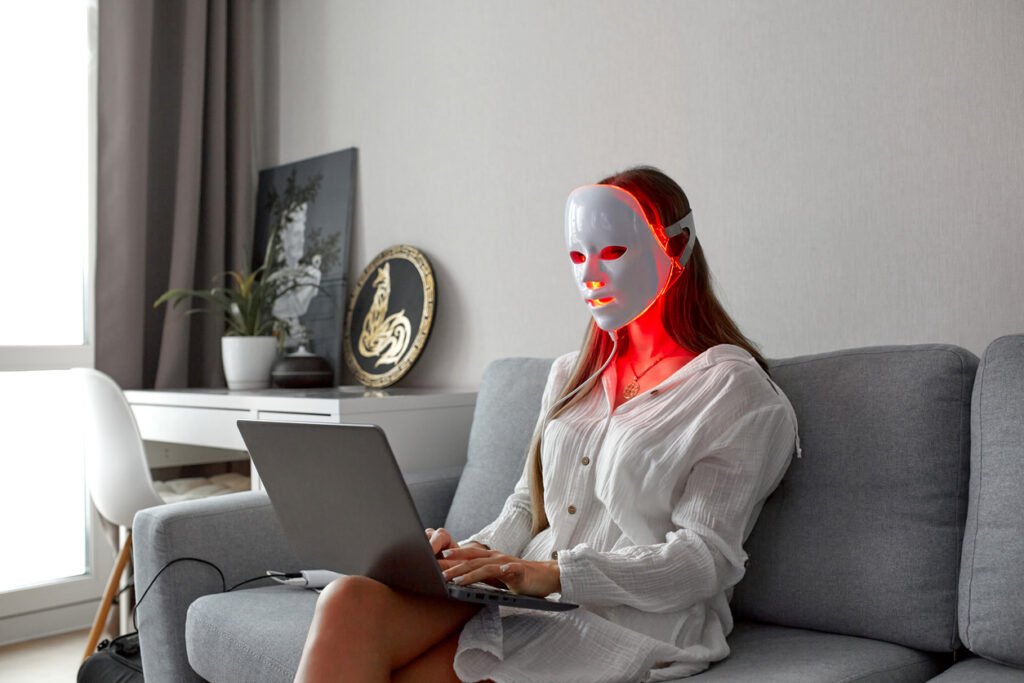
If you’re here, you’re probably wondering the same thing a lot of people ask me:
Does a red light mask work — or is it just another expensive skincare gimmick?
Many people search for “does red light mask work” when they’re trying to decide whether an LED mask is genuinely effective or just another skincare trend.
I get why you’d be sceptical. LED masks look futuristic, they promise a lot, and they’re often compared to in-clinic treatments that cost far more. When something claims to help with skin texture, breakouts, fine lines, and inflammation without needles or downtime, it’s smart to question it.
So let’s talk honestly.
Yes — a red light mask can work.
But only when it’s used the right way, with the right expectations.
In this guide, I’ll walk you through:
- whether red light masks actually do anything
- how they work on the skin
- how to use a red light mask properly
- how often to use one
- and where most people go wrong
No hype. Just clarity.
Do Red Light Masks Actually Do Anything?
Yes — but not in the way most people expect.
A red light mask doesn’t “resurface” your skin or force dramatic change overnight. What it does instead is work at a cellular level, supporting how your skin functions over time.
Red light (typically in the 630–660nm range) has been studied for its ability to interact with the mitochondria inside your skin cells. When those cells produce energy more efficiently, the skin has more capacity to repair, calm, and regenerate itself.
Over time, this can support:
- collagen production
- reduced inflammation
- calmer, more even-looking skin
- faster recovery from breakouts or irritation
So yes — red light masks do something.
They just work gradually, not dramatically.
That’s actually a good thing. It’s why they’re considered supportive and low-risk when used correctly.
How Does a Red Light Mask Work?
I like to explain red light masks as skin support, not skin correction.
Rather than stripping, burning, or forcing change, red light sends a gentle signal that encourages healthier behaviour from your skin cells. Think of it as improving the environment your skin operates in.
When used consistently, red light can:
- help fibroblasts function more effectively
- reduce inflammatory signals linked to acne and redness
- support circulation and oxygen delivery
- encourage more resilient skin over time
This is why results often look like:
- skin that feels calmer
- fine lines that soften slightly
- breakouts that heal more cleanly
- overall improvement rather than a sudden “wow” moment
Glow Seekers who do best with red light are the ones who understand this is a long-game tool.
Minnie says…
founder of GlowTherapyLab
There’s no doubt that a red light mask needs consistency — but it’s only ten minutes a day. It slips on in seconds, and before you know it, it becomes a little ritual.
I read, meditate, even do a quick hypnotherapy session while it works away. It’s the perfect moment of time-out.
The results aren’t instant, but one morning a couple of months later you glance in the mirror and think, gosh… that glow. My lines had softened.
I look in my fifties — but I look good in my fifties. Exactly what I was aiming for.
How to Use a Red Light Mask
This is where I see the biggest mistakes.
A red light mask isn’t something you throw on once a week and forget about. Consistency matters far more than intensity.
Here’s a simple, reliable approach:
- Start with clean, dry skin
- Fit the mask snugly so the LEDs sit close to your face
- Follow the manufacturer’s recommended session time (usually 10–20 minutes)
- Stay consistent rather than increasing duration
More time does not mean better results.
Red light works through repeated, moderate exposure — not overload.
Red Light Mask Before or After Skincare?
This comes up a lot.
In most cases, you’ll want to use your red light mask before applying skincare.
Why?
- Clean skin allows light to reach the skin more effectively
- Heavy creams or oils can reduce penetration
- Applying products after helps soothe and hydrate post-treatment
A simple routine looks like this:
- Cleanse
- Use your red light mask
- Apply serum and moisturiser
Easy. Sustainable. Effective.
Red Light Mask How Often?
If you’re asking red light mask how often — you’re asking the right question.
For most people:
- 3–5 sessions per week works well
- Daily use isn’t usually necessary
- Results tend to appear after 4–8 weeks
This isn’t instant gratification.
I think of red light therapy like exercise for your skin — small, repeated inputs that add up over time.
Consistency always beats intensity.
Red light mask eyes open?
Eye safety matters, and this depends partly on the design of your mask.
General guidance:
- If your mask includes eye protection, follow the manufacturer’s instructions
- If the light feels uncomfortable, close your eyes or use protective inserts
- Avoid staring directly into LEDs unless the brand specifically states it’s safe
Red light therapy should feel gentle and warm, not harsh or glaring. Comfort is a good guide here.
What Results Can You Realistically Expect?
This is where expectations need to stay grounded.
A red light mask can help:
- improve skin texture
- calm redness and inflammation
- support acne healing
- soften fine lines over time
- improve overall skin resilience
It will not:
- replace injectables
- erase deep wrinkles
- fix severe acne on its own
- deliver instant transformation
Glow Seekers who see the best results use red light as part of a routine, not a miracle fix.
The Bottom Line
So — does a red light mask work?
Yes, it can.
But it works best when you understand how it works, how long it takes, and what it’s realistically designed to do.
Used properly, a red light mask is a calm, evidence-informed tool that supports healthier skin over time — not a shortcut, and not a gimmick.
And that’s exactly why it earns its place in a thoughtful skincare routine.